Portal | Application for Admission | HRM | Email | LMS | Exam | Procedures Manual | Student Exchange | Repository | Research Journal | Jobs | 


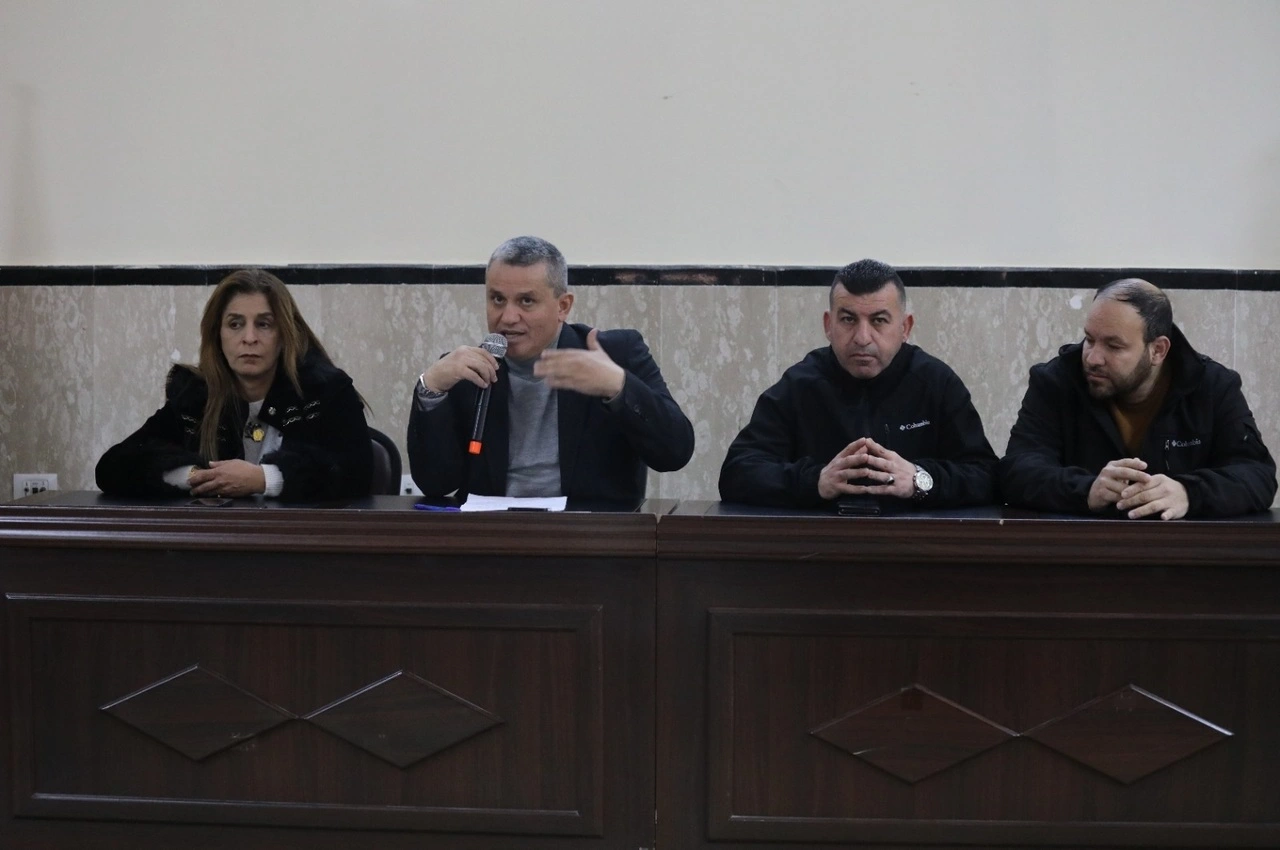
The College of Agricultural Engineering at Palestine Technical University – Kadoorie organized a workshop on smart hydroponic agriculture, aimed at promoting the adoption of modern agricultural technologies, supporting agricultural innovation, and providing sustainable production alternatives for farmers.
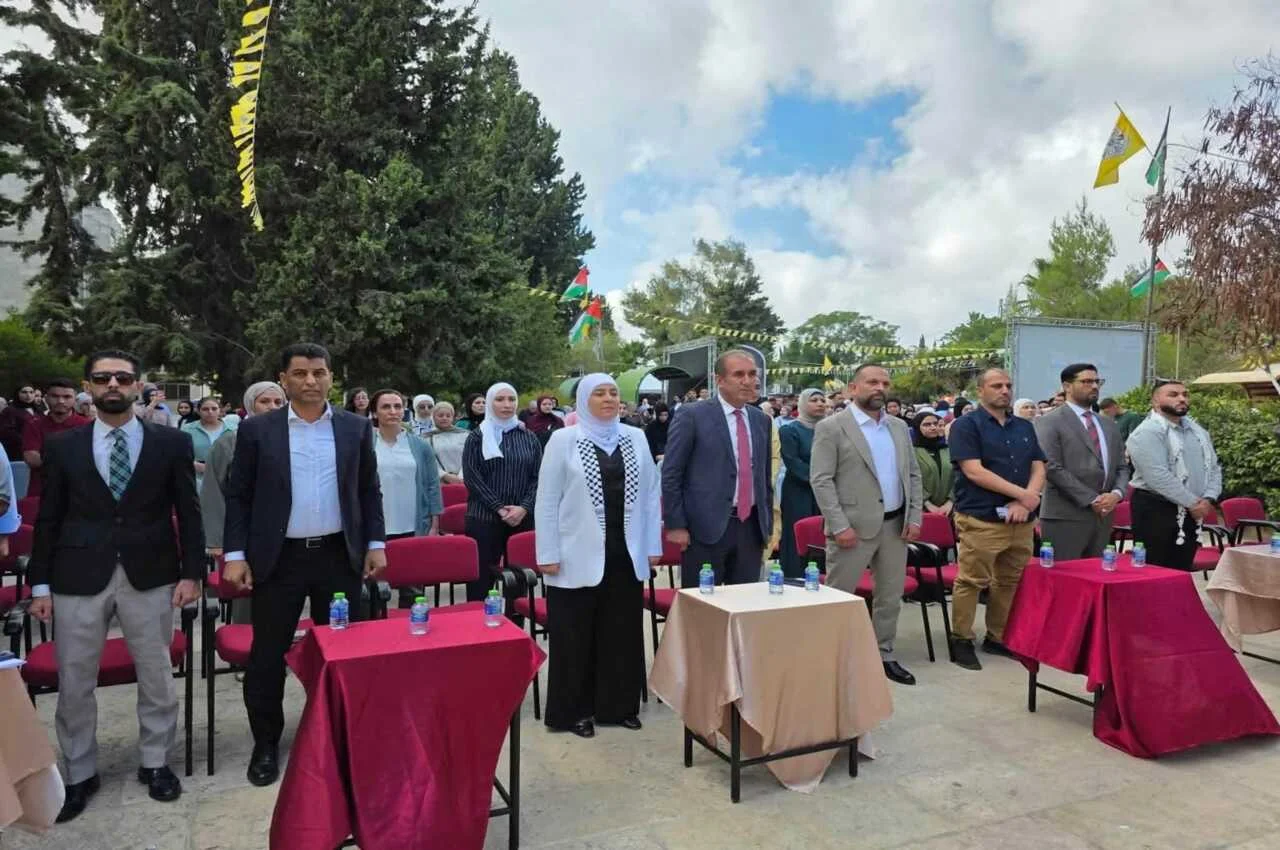
The event was attended by Prof. Nawaf Abu Khalaf, Dean of the College; Dr. Wafa’ Masoud, Project Director; Dr. Basel Al-Natsheh, Project Supervisor; Eng. Alaa Taha, Representative of the Palestinian Farmers’ Union; along with a wide audience of agriculture students and local agricultural practitioners.
Opening the workshop, Dr. Wafa’ Masoud welcomed participants and introduced the project on promoting agricultural innovation and cooperation with Palestinian universities and women’s cooperatives.
She explained that the project aims to strengthen the role of modern technologies in addressing agricultural challenges and to encourage the adoption of hydroponics as a farming system capable of supporting farmers amid environmental and economic pressures, including those imposed by the occupation.
For his part, Prof. Nawaf Abu Khalaf emphasized the importance of the workshop, which aligns with the University’s vision of fostering engagement with the local community and building effective partnerships with agricultural institutions.
He noted that the project represents an important model of fruitful collaboration between the University and its partners, offering an applied training environment for students across the College of Agricultural Engineering. He also expressed appreciation for the efforts of the project team.
Dr. Basel Al-Natsheh, Project Supervisor, delivered a detailed presentation on Kadoorie’s smart hydroponic farm, covering the development phases of the system, operational requirements, technical features, and the successful outcomes achieved in producing various crops using the smart hydroponic model.
In his remarks, Eng. Alaa Taha, representing the Palestinian Farmers’ Union, highlighted the importance of strengthening cooperation between the University and the agricultural sector. He underscored the pivotal role of applied agricultural education in enhancing farmers’ performance and expanding opportunities for adopting more sustainable and climate-resilient farming systems.
The workshop also featured an educational video about the University’s smart hydroponic farm, followed by a field visit that allowed participants to observe the system’s operation, technologies used, and harvesting processes firsthand.